
Directions: From Port Angeles take US 101 west five miles to Highway 112. Follow Highway 112 west for 32 miles to Hoko-Ozette Road, just past Sekiu. Turn left (south) on Hoko-Ozette Road and drive about 20 miles to its end at the Ozette Ranger Station.
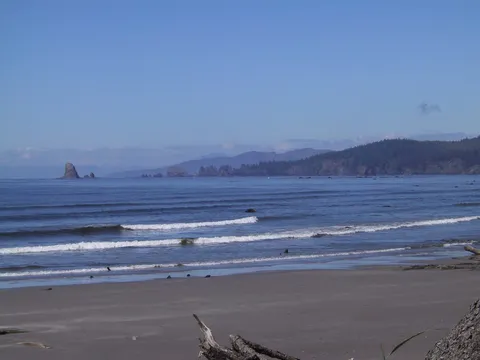
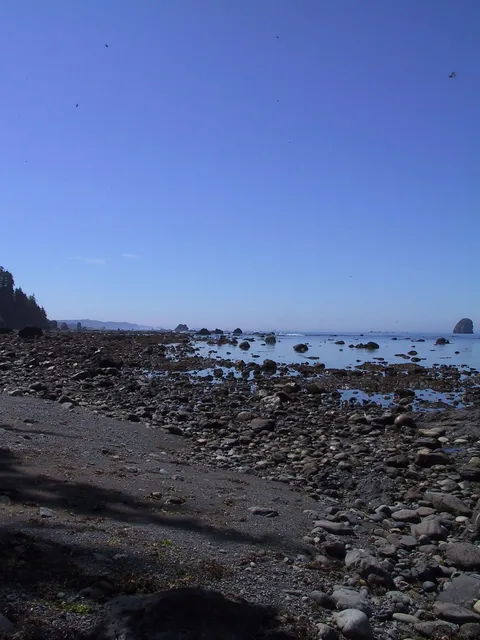
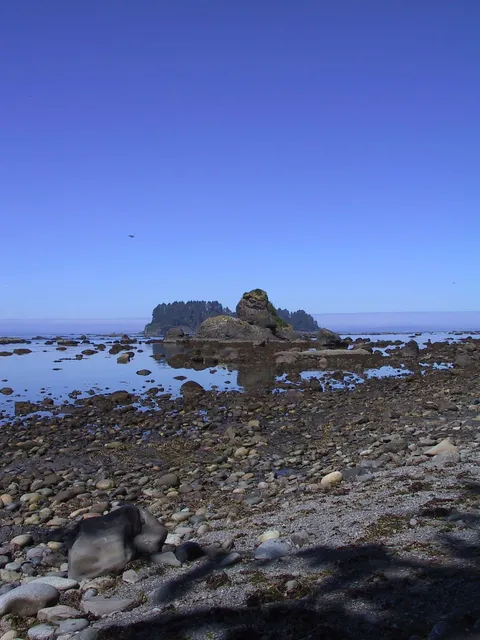
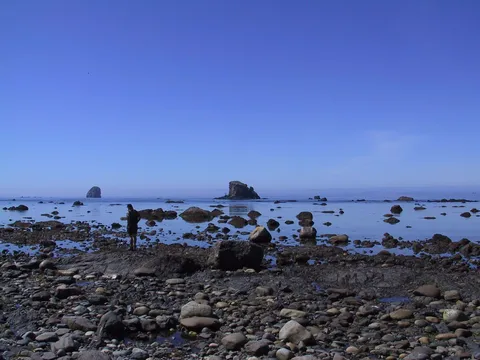
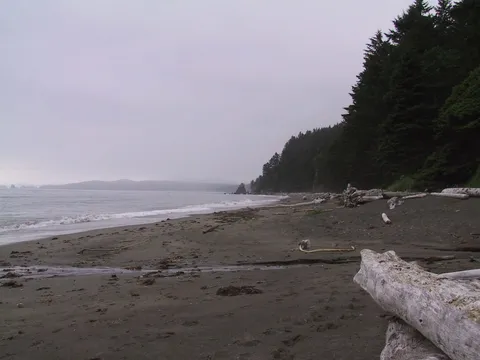
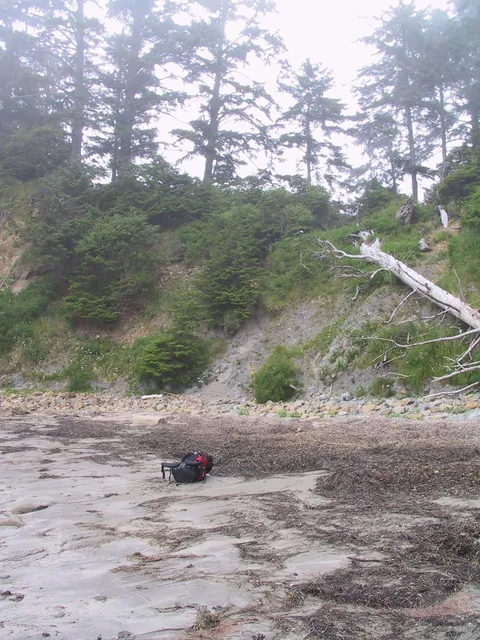
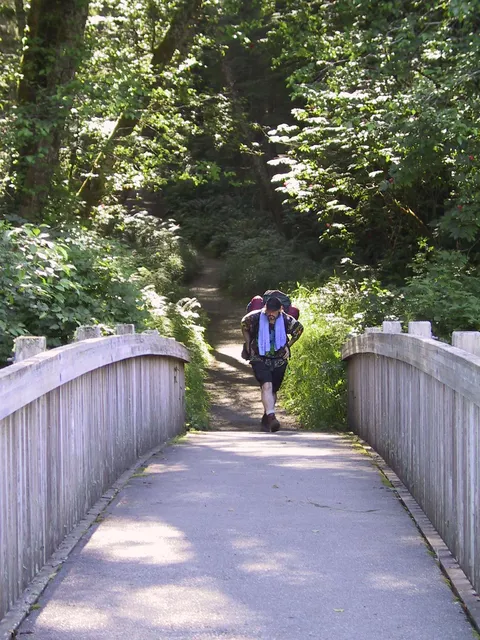
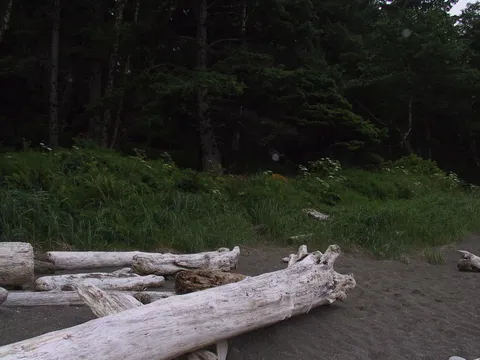
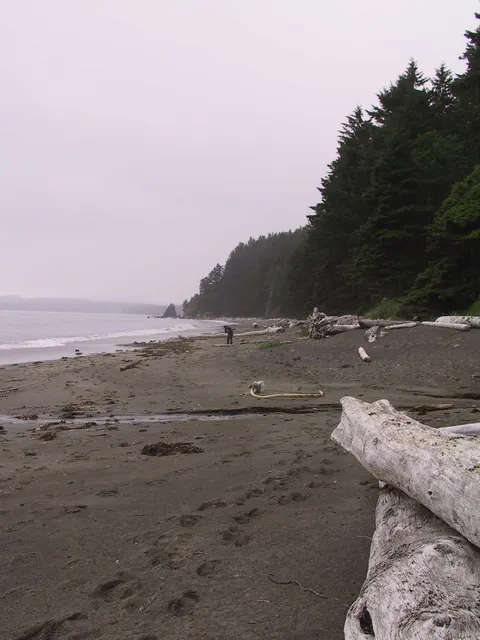
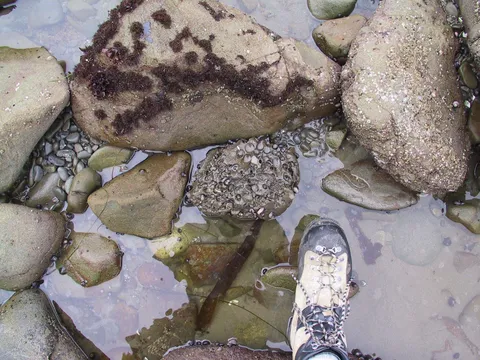
Trail notes: The spectacular, triangular Cape Alava/Sand Point Loop showcases the unique elements that make the northwestern Olympic coast a national treasure. Accessible year around, these trails leave the Lake Ozette area and wind along cedar-plank boardwalks through marshy coastal forest and grassland literally teeming with wildlife. Both trails empty onto a three-mile stretch of wilderness beach that forms the triangles third leg. Whichever trail you choose, beware of the wood planks, which (when wet) can be slipperier than the underside of a banana slug. This is one of the few trails in Washington better suited to sneakers than Vibram lugs.
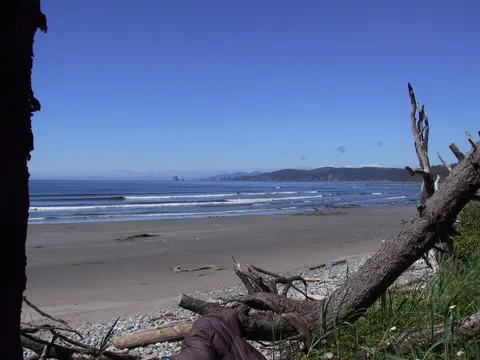
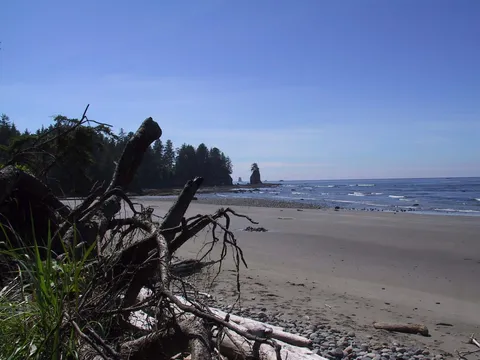
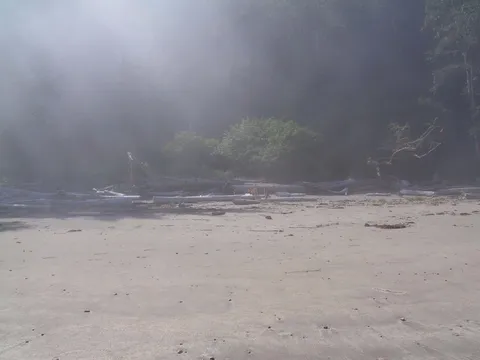
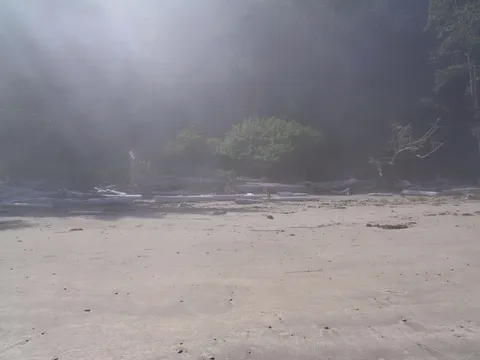
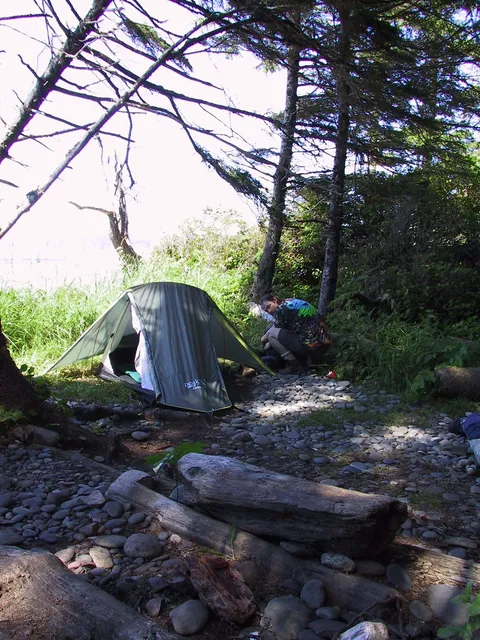
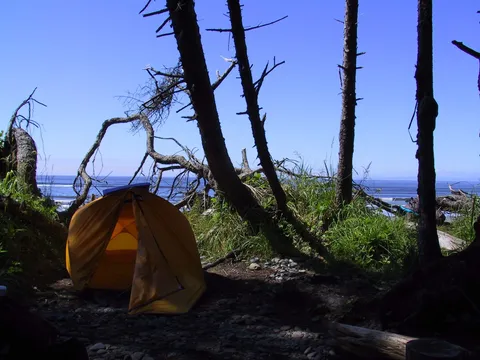
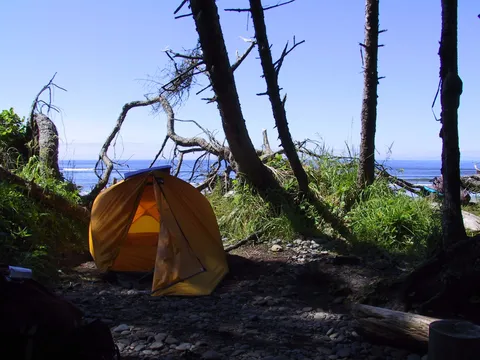
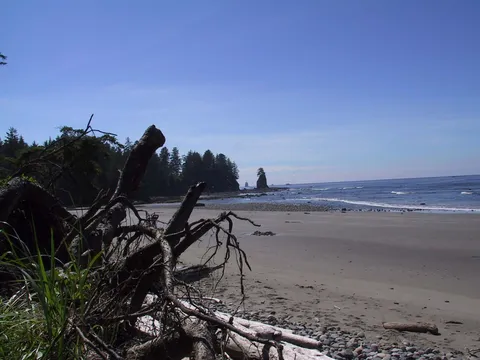
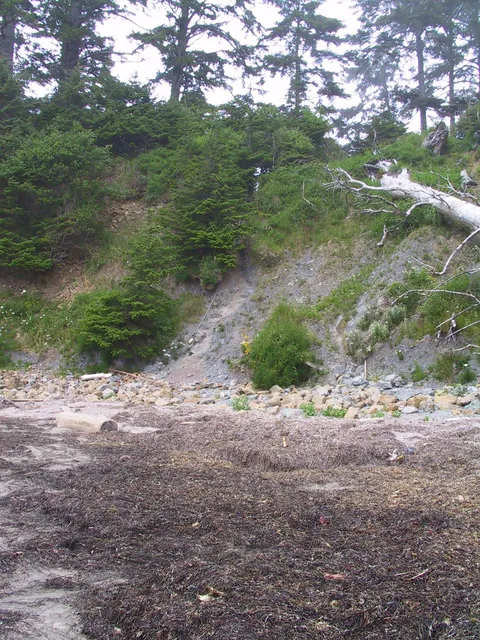
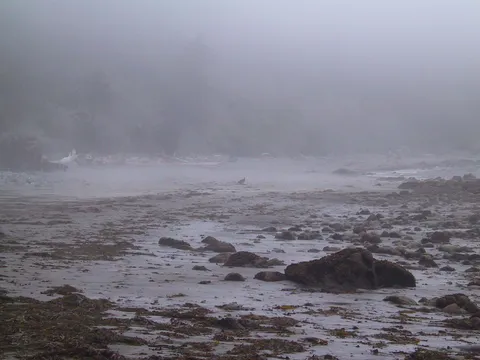
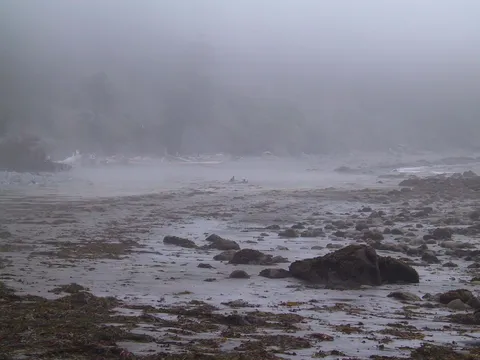
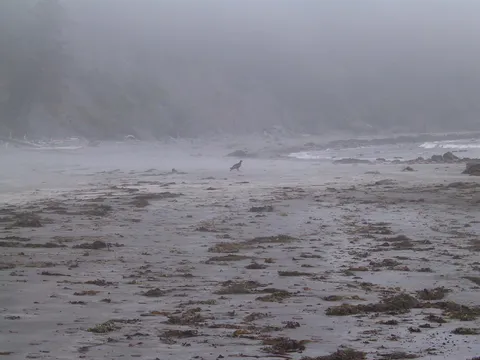
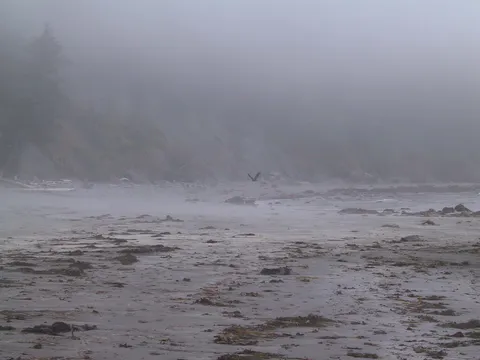
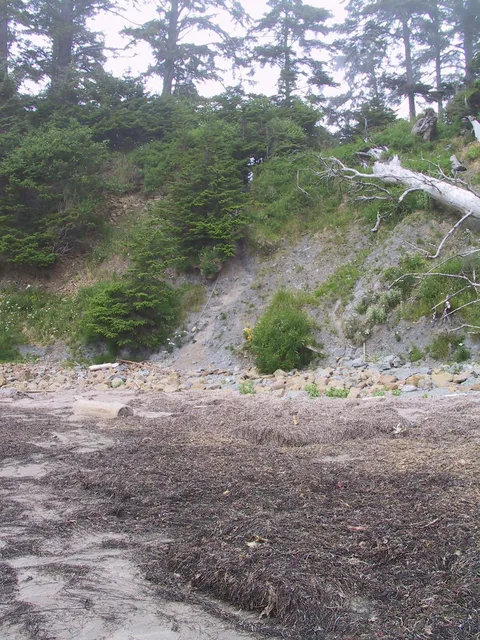
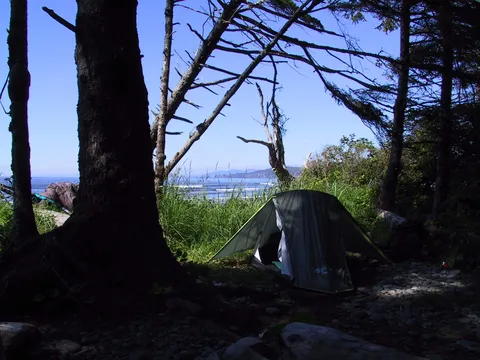
Coming upon the Pacific via the Cape Alava Trail is particularly memorable. The path crosses Ahlstroms Prairie, the site of a Swedish homesteaders cabin, before passing through waist-deep sword ferns and out to the frothing Pacific. You might find the beach area here at the westernmost point in the contiguous United States a good place to camp. You would hardly be the first. Nearby is the site of an archaeological dig of an ancient Makah village; artifacts and remains (nearly 1,000 years old) of tribal longhouses were excavated here and placed on display in the Makah Tribal Museum in Neah Bay. Wedding Rock, where ancient petroglyphs are visible on several rocks close to the high-tide line, is one mile south down the beach. This site is considered something of a holy area by a full range of visitors, including New Age types and various members of other religious sects. Two miles farther south, the Sand Point Trail leads three easy miles back to Ozette. Permit reservations for overnight use are a must here, because the beach is generally overrun by visitors on summer weekends.
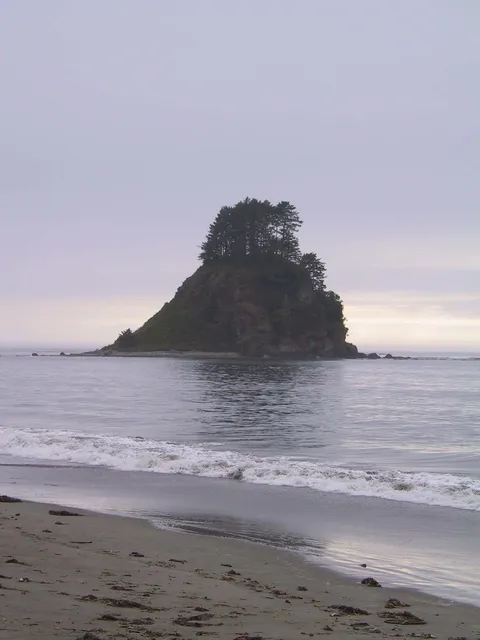
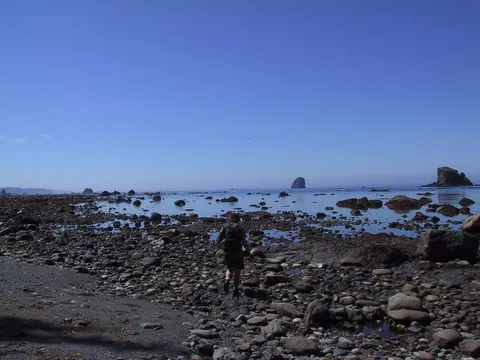
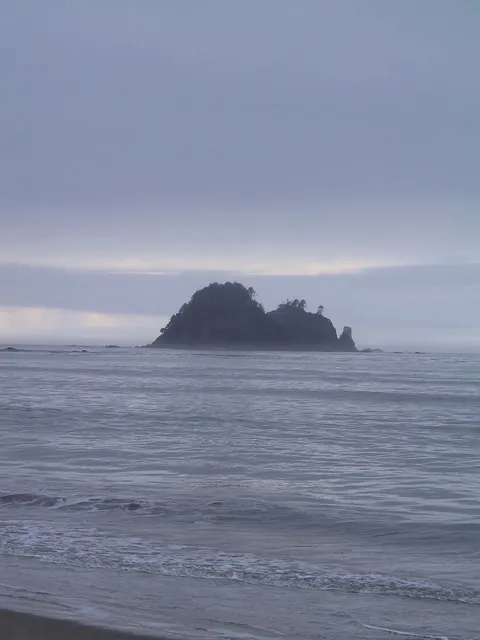
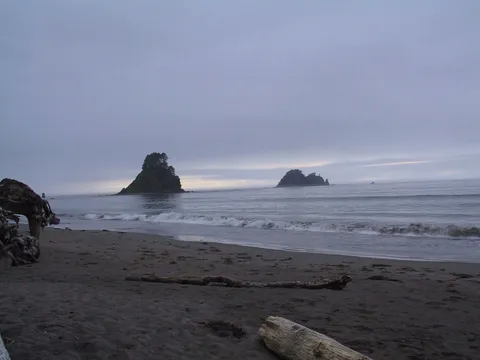
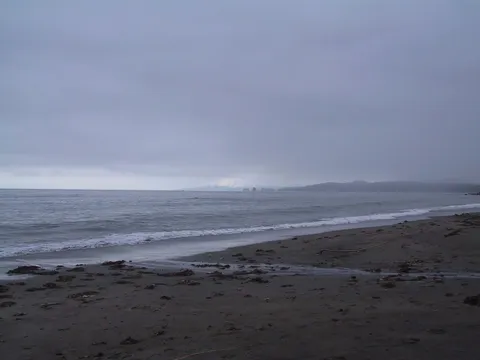
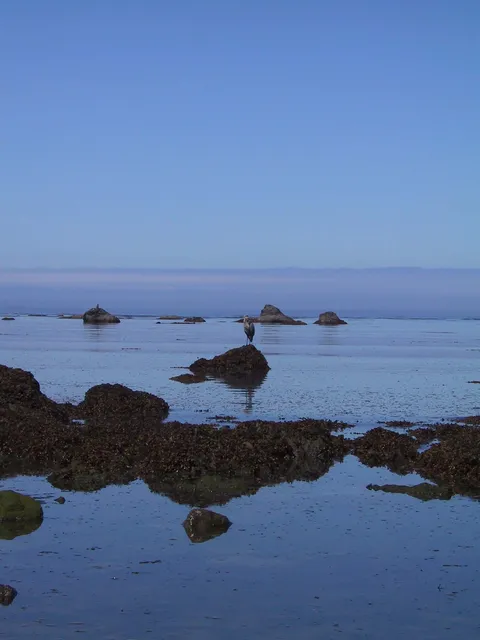
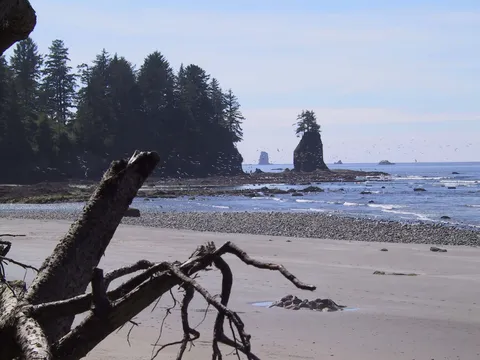
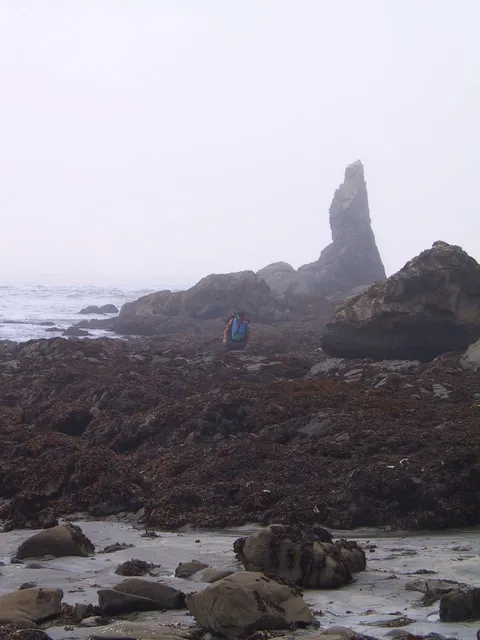
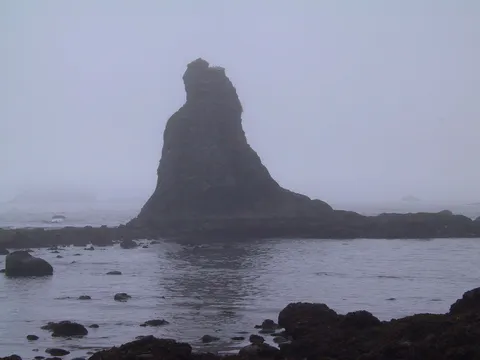
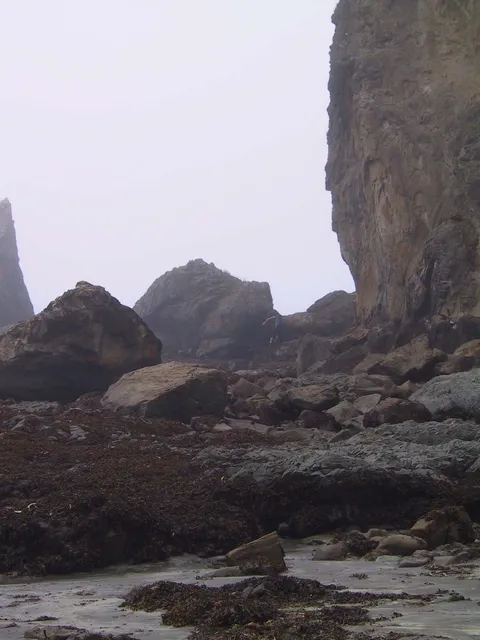
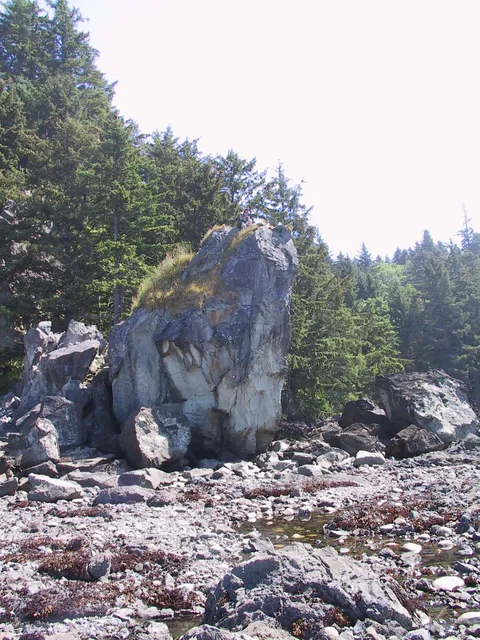
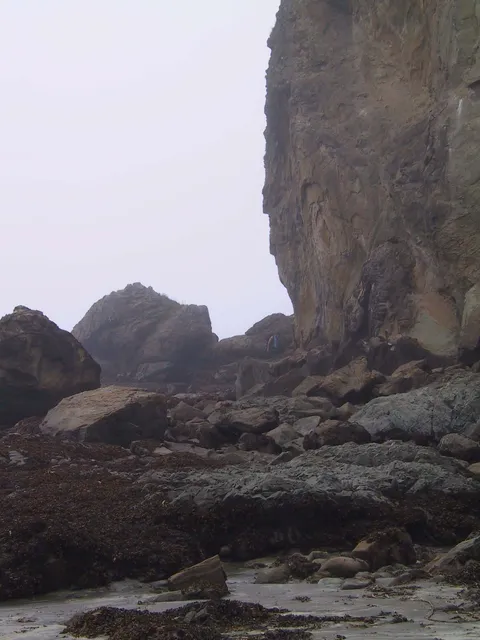
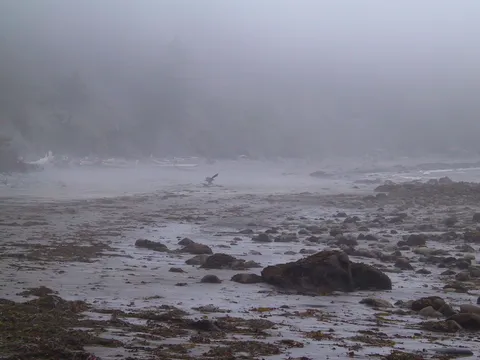
Since adding the Shi Shi Beach area to Olympic National Park in 1976, park officials have sought to establish an easily accessible public trailhead. They have not as of yet, which is just fine with persistent hikers who find the Shi Shi Beach Trail and make their way to one of the most spectacular seascapes in the United States. The trail, actually the remnant of the old Sooes Beach Road, winds two miles through mostly level brush to a steep access trail to Shi Shi, with trails leading down to Anderson Point and Portage Head. Local landowners, however, recently ruled the route off-limits for national park trail-building; the Makahs plan to construct a new path of their own from roads end to Shi Shi Beach. When finished, it should be about two miles long and about an hours hike from the parking area. Meanwhile, local residents have turned the trail into a cottage industry, collecting parking fees from hikers. And the Makah Tribal Council says it has no intention to cite hikers walking to Shi Shi Beach. (Olympic National Parks "official" access to Shi Shi, meanwhile, is the southern route, a tricky, sometimes hazardous hike north from the Cape Alava area; see hike number 21 for trailhead information.) Given all that, getting from your car to the beach requires a little route-finding and a lot of diligence. But its more than worth it once you get there. This is one of the Northwests most beautiful ocean beaches, and it offers outstanding exploration potential. At low tide, its possible to scramble north over the rocks near Portage Head and explore the remains of the General M.C Meigs, a World War II-era troopship that broke up here in the early 1970s. From south of the beach/trail junction, it is a 0.9-mile beach walk to magnificent Point of the Arches, a series of pyramidal sea stacks (offshore rock formations) that juts into the Pacific like a gargantuan fossilized spine. Good campsites are available all along the beach, and are likely to be very crowded in summer months. Water is available at Petroleum Creek (if you do not filter your water from this one, you never will) and other small streams.
Photos 76
Highest rated first